While opinions and preferences will vary, not all crochet hooks are created equally. Your crochet hook is the tool that will create your projects–whether you are working on lace, amigurumi, garments or dishcloths, the crochet hook you use will be the instrument of its creation, along with your skill and effort. So in my opinion, the hook you use matters.
A lot of beginners pick up inexpensive crochet hooks at their local craft store and while you might not want to invest a lot of money in a craft you might not enjoy or carry on with, there are inexpensive crochet hooks that are not going to help you get into the flow of crochet, and inexpensive hooks that will help you get into the flow of the craft much more easily.
Let’s take a look at some of those hooks today.
Susan Bates vs. Boye
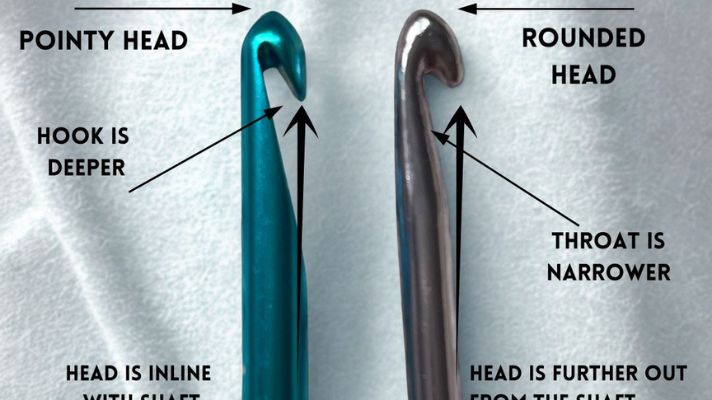
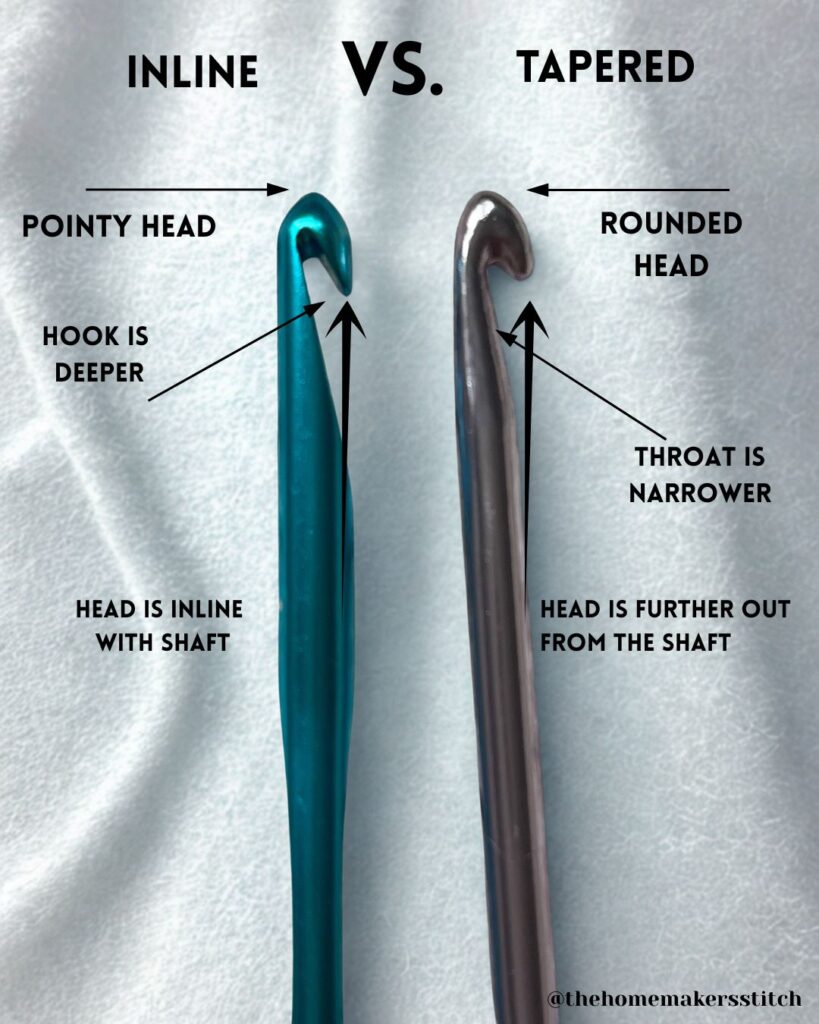
These are two brands you’ll likely find in a big box craft store and they tend to be inexpensive. Both are aluminum hooks but they are different in design. Susan Bates hooks are inline crochet hooks while Boye hooks are tapered. You might be wondering what this means, and essentially there is a difference in the throat and mouth of the hook, with Susan Bates hooks having a sharper mouth and pointer head and Boye hooks have a rounded head and a shallower thorax. You can see the differences you have the hooks side by side. Does it matter which you use? No. Each produces crocheted fabric. Tapered hooks are supposed to allow you to crochet faster while inline hooks are better for maintaining tension.
Personally, when I was still newer to the craft, I preferred the inline Susan Bates hooks. I still have my first set and I still use them. I still do not use tapered hooks as I never liked working with Boye hooks and I found when I used them that my yarn would split much more easily, which was frustrating.
So I am a Susan Bates girl every day.
Hybrid Style Hooks
There are crochet hooks out there that are a hybrid style, featuring a more rounded head that still has a point and a more tapered throat. Some example of these include Clover hooks, Furls hooks, Prym and Tulip hooks.
It’s important to note that each of these lean more one way than another, for example Furls lean inline and the Tulip hooks lean more tapered. I find the Clover hooks are a great hybrid and are the best to work with. In fact, the way in which I crocheted evolved and improved once I started using Clover hooks.
Let’s take a closer look at each brand.
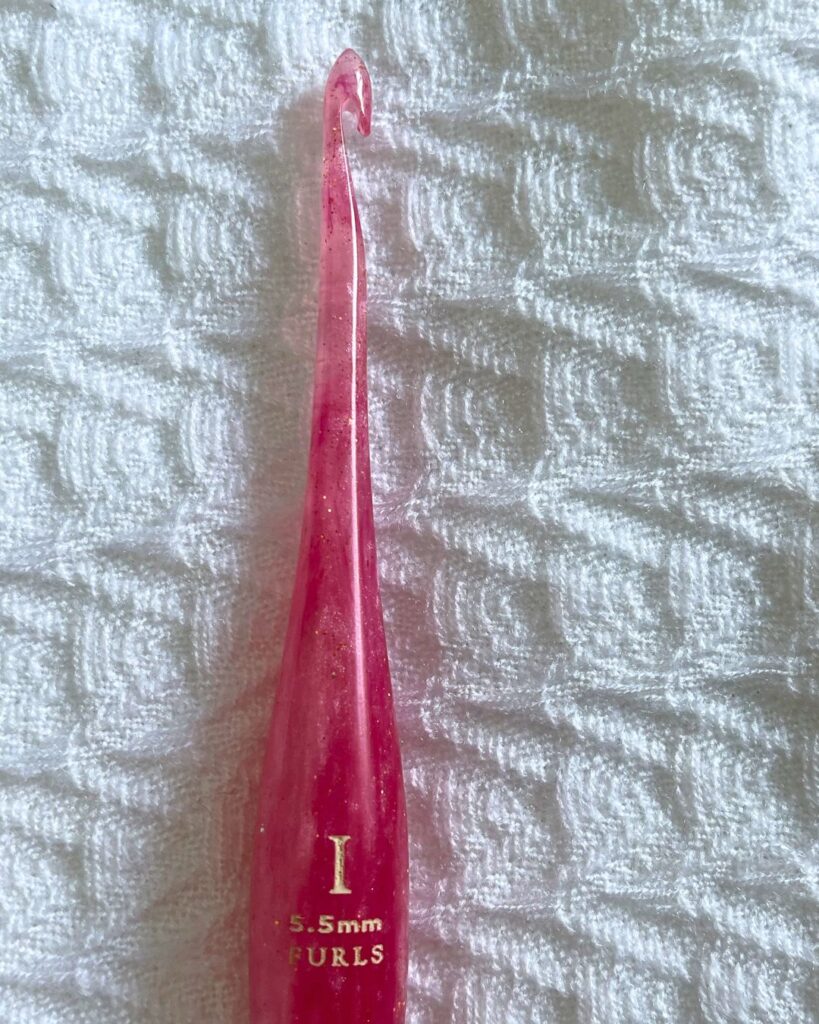
Furls
Known for their great craftsmanship and lovely designs, Furls hooks are very popular with makers. They are pricy however, but they are certainly ones makers like to collect and use. I have several myself. I like that they lean more inline and your stitches really do fly off these hooks. Working with them is a pleasant experience as the process feels soft and smooth.
But there are some drawbacks in my opinion. The resin hooks can break if you drop them. They have also been known to snap while you use them so you have to be really careful with your tension and also matching your hook size to yarn weight with them. Furls advises not to size down as that puts strain on the hook, especially the smaller sizes.
While I love their Streamline metal hooks, I find them heavy and therefore more tiring on my wrists to work with.
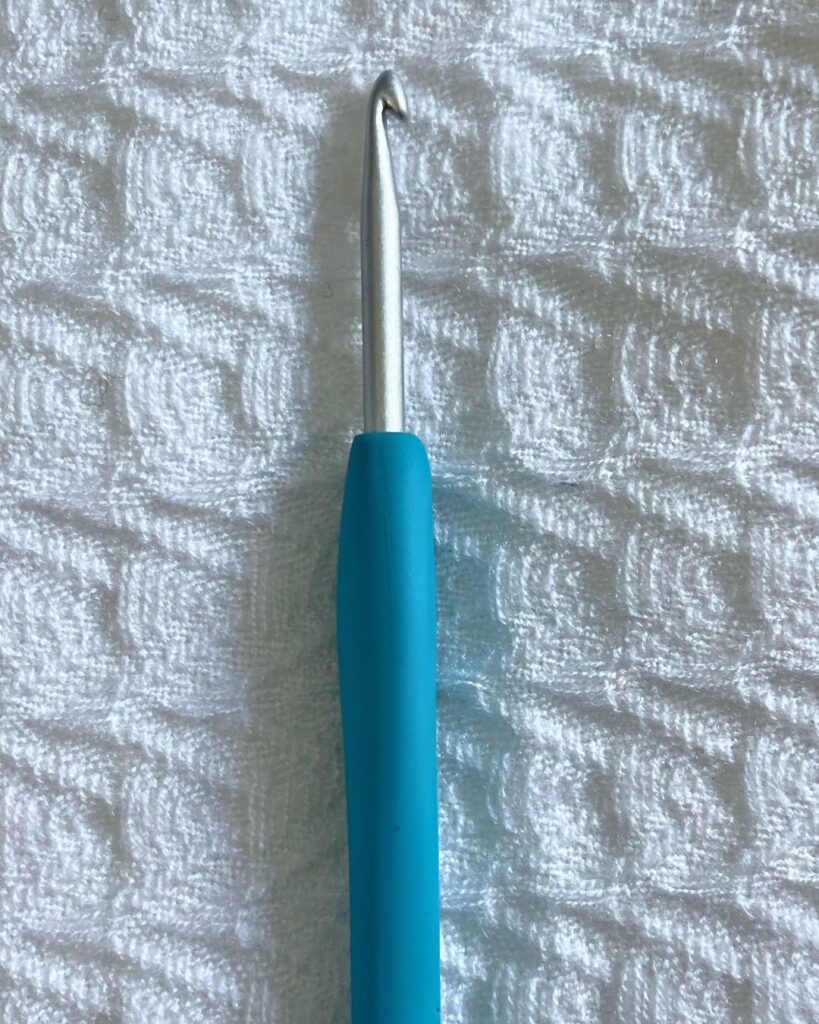
Clover Amour
I absolutely love these hooks. They are my favourite to work with. The aluminum design allows your hooks to really fly off your hook and my hands never tire using these hooks. They just glide in and out and the crocheting experience is a dream. They really allowed me to slowly change the way in which I held my working yarn and improved my tension as well. The silicon handle with the flat thumb rest make these hooks gentle on your wrists too. I don’t have a negative thing to say about these hooks as they are absolutely perfect in my opinion.
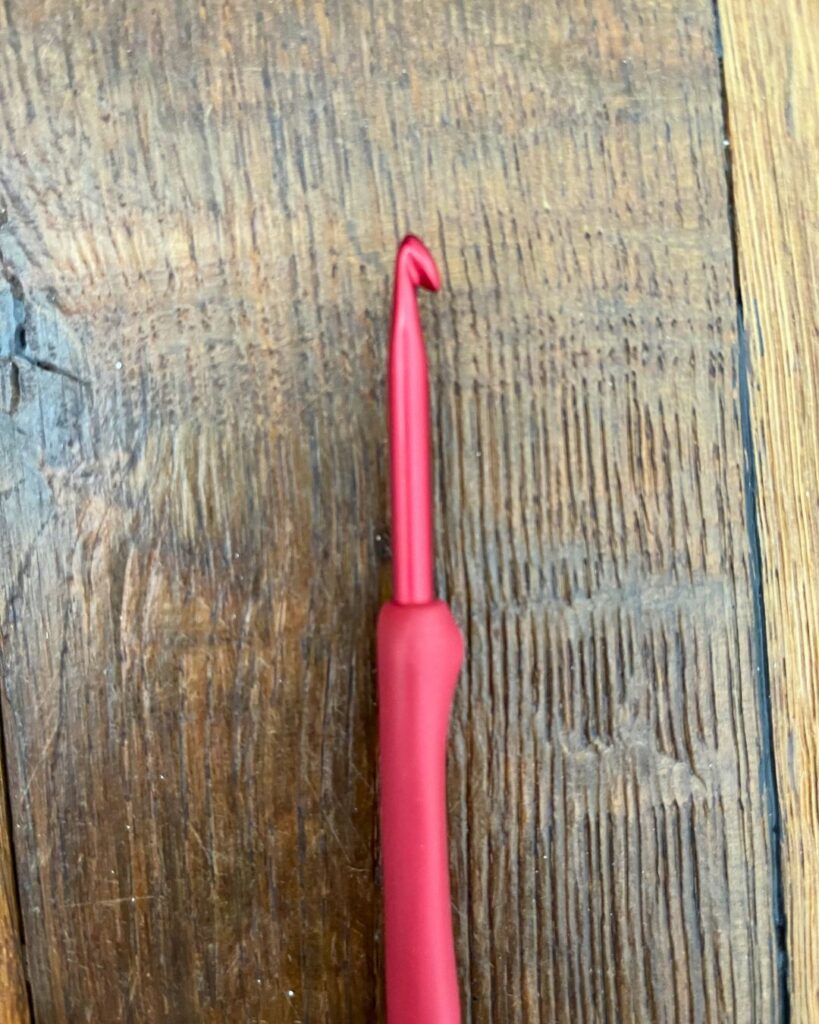
Tulip
I decided to try these on a whim and bought a set that had some smaller sizes. And I really like them too. They are an equally pleasant crochet experience as the Clover hooks, and I would buy more if I was in need of more crochet hooks. I have crocheted several projects with them and I like the little thumb rest that it has on its handle, which is made of silicon as well. The head of these hooks is pointer than the Clover and I also like that feature about them because I love a nice pointy head on a crochet hook.
These hooks do a have a drawback however, and that is that they are harder to find in my experience. While Michaels sells Clover Amour hooks and Pyrm hooks, they don’t carry Tulip so I had to purchase my hooks on Amazon. They are sort of pricy on Amazon and I can’t always find the size I want at a price point I’m willing to pay. I’m sure I could find then on some online sites, but lately getting things internationally has hit me with customs fees so I’m now a little cautious about buying from online retailers.
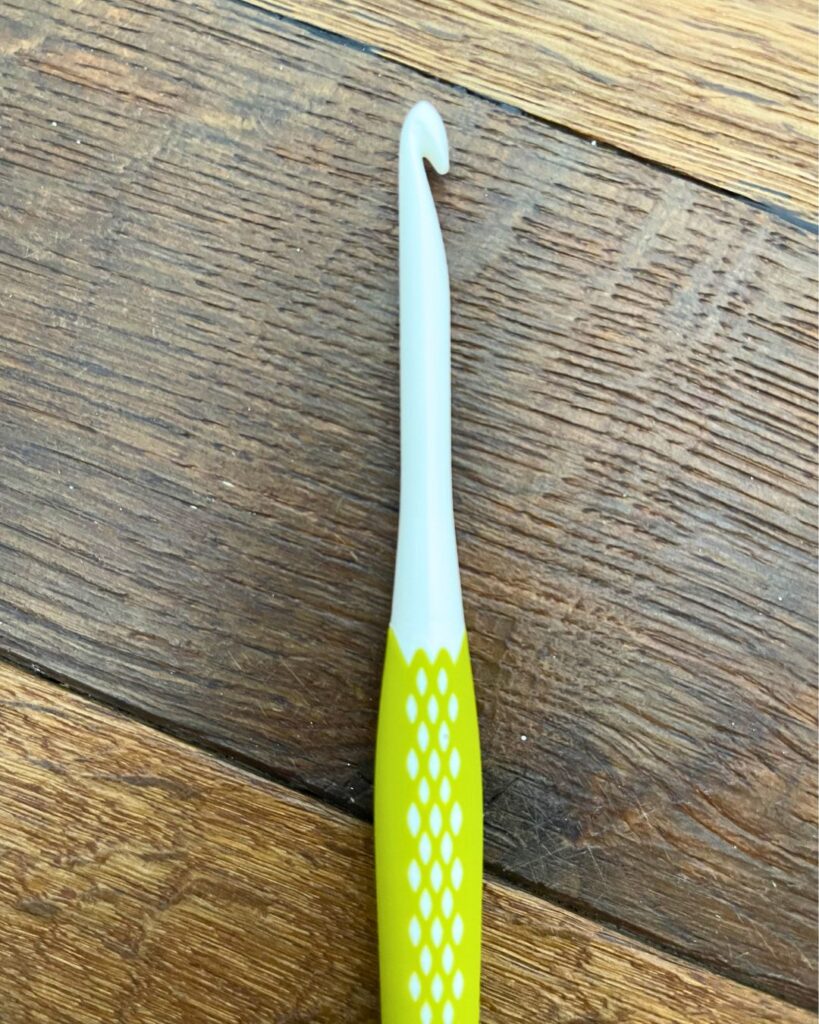
Pyrm
I like these hooks. I made my son a huge play blanket with one of these hooks. But there is one thing I do not like about these hooks, and that is that they are plastic. Plastic hooks tend to drag on the yarn, making the crochet process slower. Pyrm hooks are well designed and made so that isn’t a huge issue, but they are definitely not as smooth to work with as the Clover hooks. However, I like the head of these hooks, which is pointer and I didn’t have any issue working with them. I only own two hooks from this brand, but I think they are superior to other plastic hooks.
Which Hook Should I Use?
Whether you are beginner or an expert crocheter, use the hook that works best for you. I highly recommend Clover hooks; they are very popular in the maker community, not overly expensive and personally have changed the way I crochet. They are, as I said, my absolute favourite hooks. I do think using a better quality hook like the ones I’ve mentioned (though there are other brands like Lykke, Lantern Moon, Knit Picks, KnitPro to name a few) is always going to give you a better crochet experience than using more poorly made hooks that you might find in big box craft stores or dollar stores. If you are a beginner, try a Susan Bates or Clover hook as both are quite affordable and are offer great crochet experiences. While Boye hooks are not my preference and I don’t only one own in a 4.25mm (a difficult size to find) they would also be a good choice as they are popular among makers and have been around forever. You’ll find the hook you prefer and that best works for you.
Be sure to follow me on Instagram for more crafting and homemaking content!